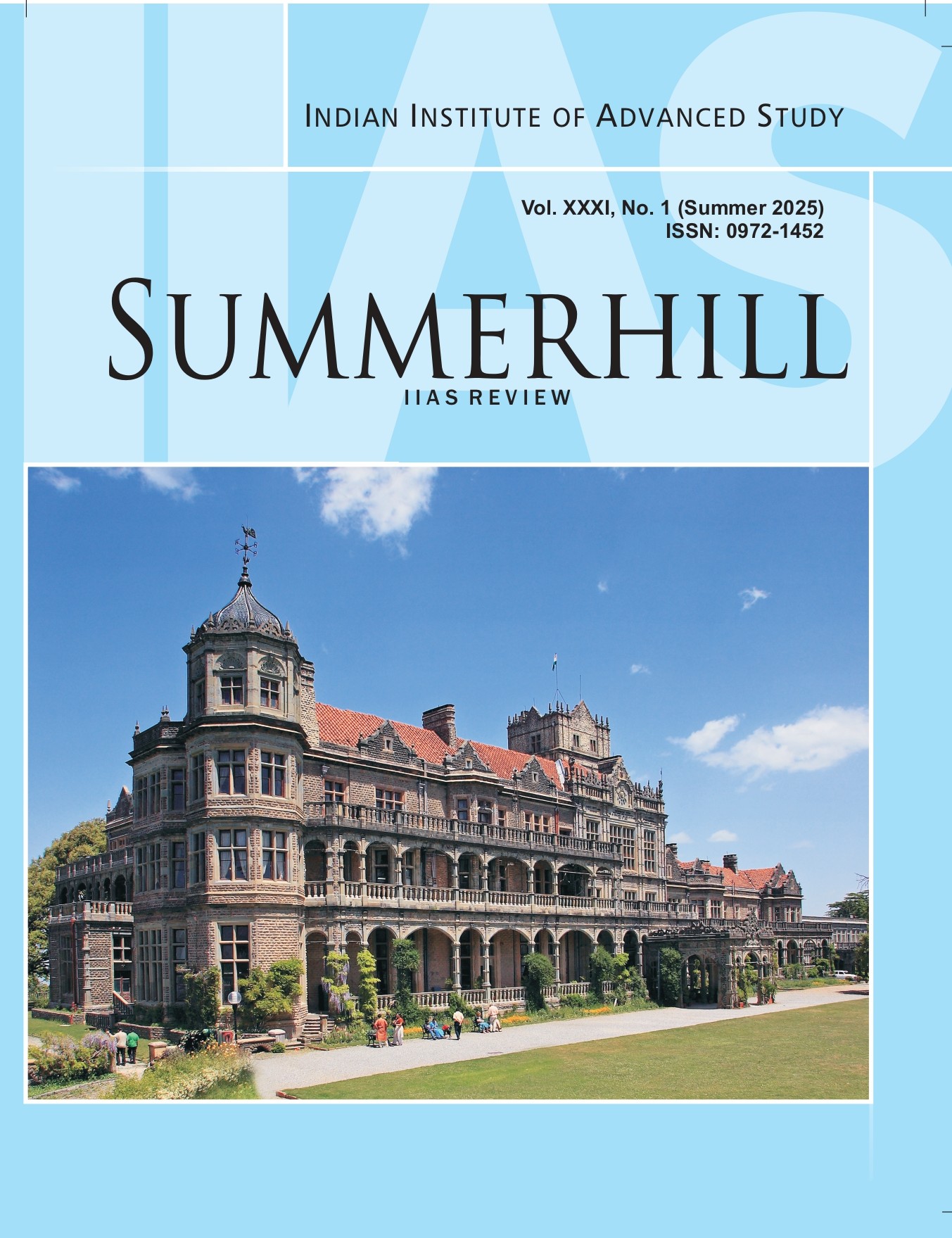
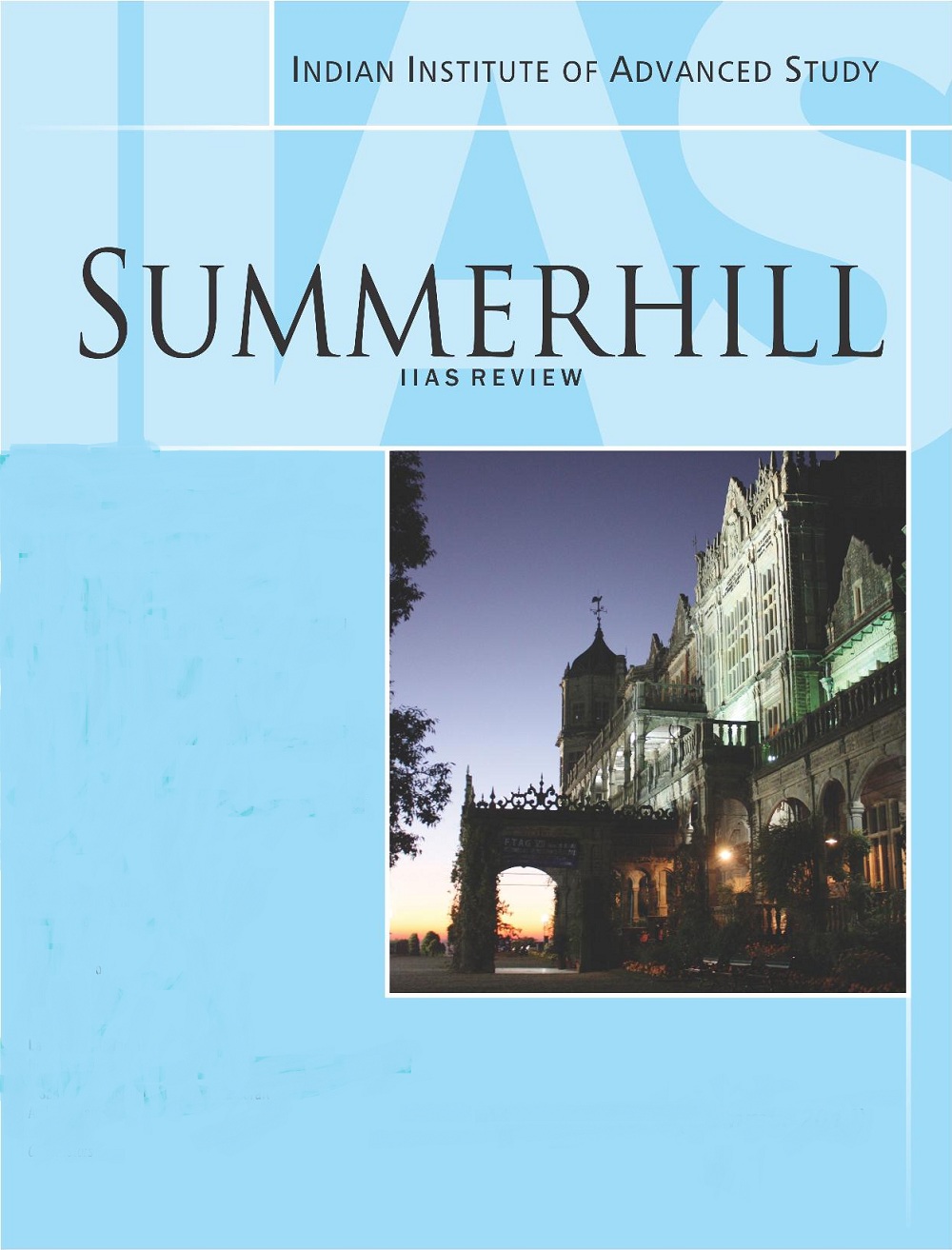
APURSA Policy Fosters Immersive Cultural Tourism
A Case Study of Shimla in Himachal Pradesh, India
Keywords:
Shimla, APURSA, COVIDAbstract
The phenomenal economic multiplier of the tourism industry, as the biggest employer and revenue generator, has catapulted it globally to one of the fastest-growing industries. Yet its innate fragility makes it vulnerable to impacts from other sectors. Further postmodern fragmentation of demand in the tourism sector is being fuelled and facilitated by big data analytics that can conjure innovative product differentiation for any niche segment. Many tourists seek to replace the tag of pursuing a hedonistic wanderlust with more meaningful holidaymaking. Exponential growth of Information and Communication Technology (ICT) has eroded destination mystique by facilitating virtual FAM tours to almost any place on the globe at the click of a button. A demanding tourist clientele, spoilt for choice, seeks a new immersion into experiential tourism. Destination managers confront the twin challenges of perishing prematurely by obsolescence on the destination life cycle or holographically reinventing and rebranding the product continuously to meet myriad demands of consumption that could even border on the bizarre. Converging local tangible and intangible cultural resources has the potential to recreate soft tourism by deeper immersion for both host and guest stakeholders. This paper explores how cultural heritage potential in remote locations was tapped and leveraged through a policy launched in early 2018, called Aaj Puraani Raahon Se (implying ‘the nostalgia from old routes’) titled APURSA, to create a hybrid paradigm of immersive tourism throughout the north Indian mountain State of Himachal Pradesh (HP) metamorphosing congested, overcrowded tourist enclaves in the popular heritage capital city of Shimla by dovetailing lesser-known tangible and intangible cultural elements into urban development roadmaps. Infrastructural strengths of the State and cultural allure are enablers in this tourism dispersal away from Shimla into satellite locations, reducing the threat to this destination’s lifecycle due to rampant breach of carrying capacities. Six years after its launch, APURSA's strategy has gained greater traction as COVID-fuelled demand grows for remote locations that are internetlinked, accessible and facilitate long-duration stays to work from home (WFH). Such localism is prompting introspection by hosts into their cultural traditions that were barely documented earlier but are being creatively reinvented as viable alternatives to the serial reproduction of mass tourism. Such immersion of local intangible cultural elements is catalysing additional livelihoods, new homestays, and facilitating a competitive edge to rural women to rejig their care economy. APURSA's strategy is a work in progress as it reengineers tourism perceptions while foraying into fragile destinations replete with forgotten traditions.
Downloads